
Spine Injury Treatment
A spine injury can affect movement, sensation, and overall quality of life. It may occur due to accidents, falls, sports injuries, or sudden trauma. The spine protects the spinal cord, which carries messages between the brain and the rest of the body. Any damage to this area needs timely medical attention.
What is a Spine Injury?
A spine injury refers to damage to the bones (vertebrae), discs, ligaments, or spinal cord. It can range from mild muscle strain to serious injuries that affect nerve function. Spine injuries may occur in the neck (cervical), upper back (thoracic), or lower back (lumbar) region.
Spine injuries are broadly classified into:
- Minor injuries: Muscle strain or ligament sprain
- Moderate injuries: Disc damage or small fractures
- Severe injuries: Spinal cord injury causing weakness or paralysis
The severity of symptoms depends on the location and extent of the injury.
Causes of Spine Injury:
Spine injuries can happen due to many reasons, including:
- Road traffic accidents: One of the most common causes
- Falls: Especially in elderly people or from heights
- Sports injuries: Contact sports or improper training
- Workplace accidents: Heavy lifting or unsafe conditions
- Violence or trauma: Such as impact injuries
- Osteoporosis: Weak bones that fracture easily
- Poor posture and repetitive strain: Over time can cause injury
Understanding the cause helps doctors plan the right treatment.
Symptoms of Spine Injury
Symptoms of a spine injury vary depending on severity. Common signs include:
- Back or neck pain
- Stiffness and limited movement
- Numbness or tingling in arms or legs
- Muscle weakness
- Difficulty walking or balancing
- Loss of sensation
- In severe cases, loss of bladder or bowel control
Some symptoms may appear immediately, while others may develop slowly over time. Any sudden pain after an accident should be evaluated by a doctor.
Diagnosis
Accurate diagnosis is essential for proper spine treatment. Doctors begin with a physical examination and review of medical history. Diagnostic tests may include:
- X-ray: To detect fractures or bone alignment problems
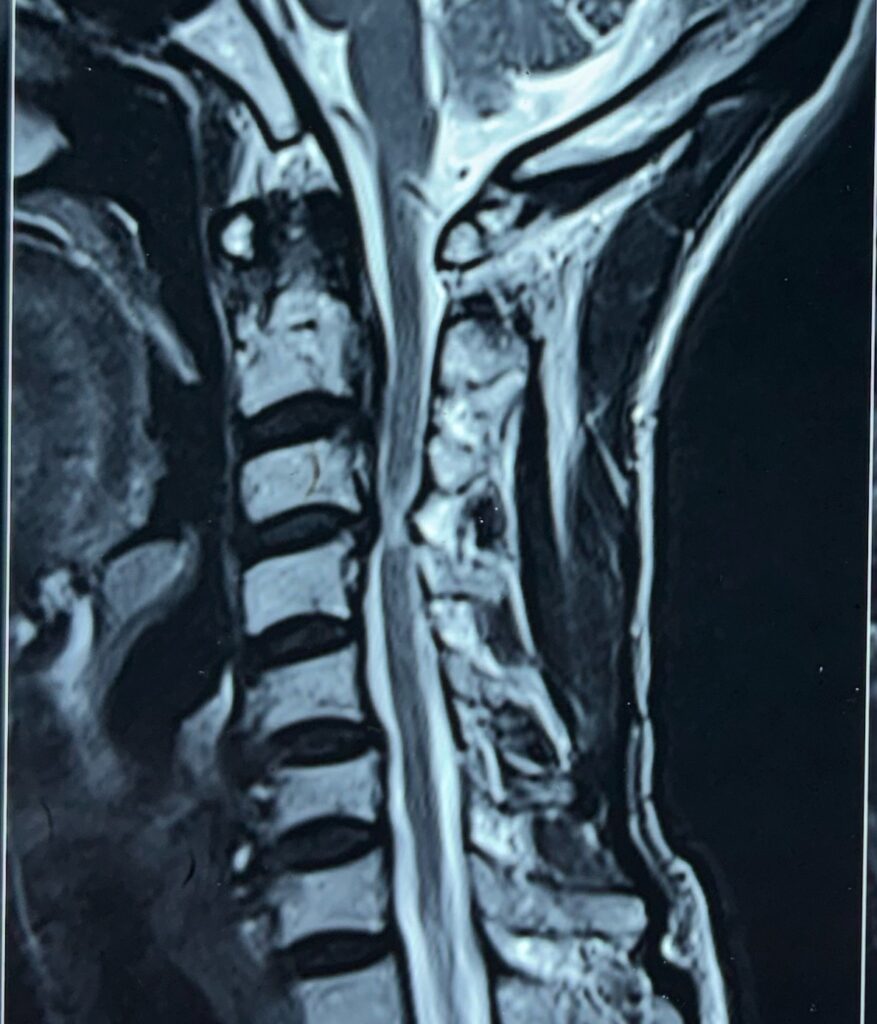
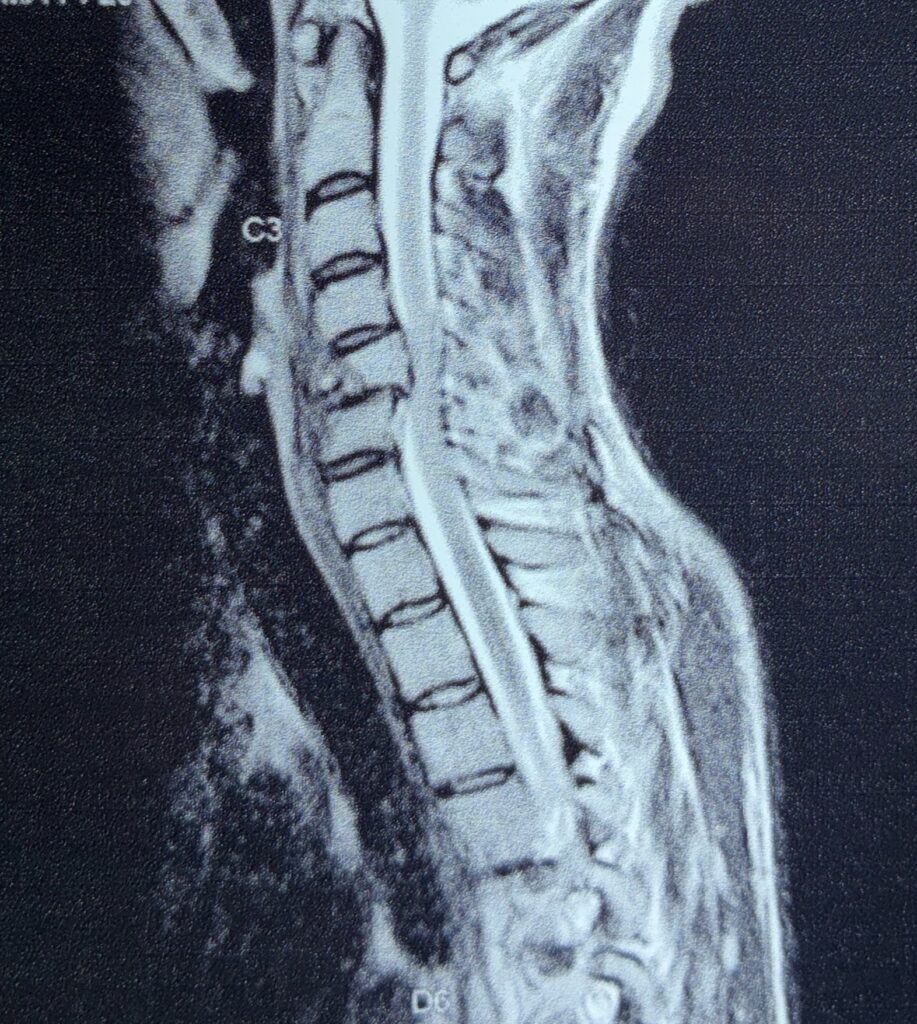
- MRI scan: To check spinal cord, discs, and nerve damage
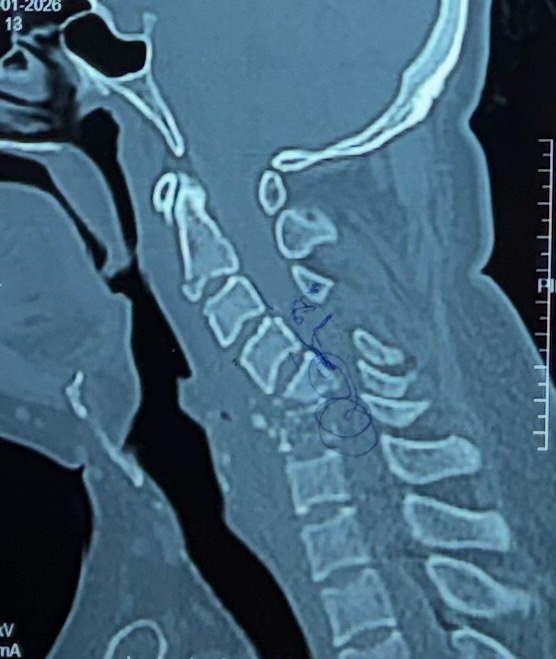
- CT scan: Provides detailed images of the spine structure
- Neurological tests: To assess muscle strength and reflexes
These tests help determine the severity of the injury and guide treatment decisions.
Treatment Options
Treatment depends on the type and seriousness of the spine injury. The goal is to reduce pain, protect the spinal cord, and restore function.
1. Non-Surgical Treatment
Mild to moderate injuries are often treated without surgery:
- Medications: Pain relievers and anti-inflammatory drugs
- Physiotherapy: Exercises to improve strength and flexibility
- Rest and activity modification: Avoiding movements that worsen pain
- Braces or supports: To stabilize the spine
- Hot and cold therapy: To reduce muscle tension and swelling
Most patients improve gradually with proper care and rehabilitation.
2. Minimally Invasive Procedures
If pain persists, doctors may recommend:
- Steroid injections: To reduce inflammation around nerves
- Nerve block therapy: For pain control and healing support
These procedures are usually safe and allow faster recovery.
3. Surgical Treatment (When Needed)
Surgery is required in severe cases when:
- There is spinal instability
- The spinal cord or nerves are compressed
- There is loss of movement or sensation
- Non-surgical treatment fails
Common surgical procedures include:
- Spinal fixation: To stabilize fractured bones
- Decompression surgery: To relieve nerve pressure
- Disc repair or removal: In case of disc injury
Modern spine surgery uses advanced techniques that improve safety and recovery time.
When to See a Spine Specialist
You should seek immediate medical care if you experience:
- Severe back or neck pain after an accident
- Weakness or numbness in arms or legs
- Difficulty walking or standing
- Loss of bladder or bowel control (medical emergency)
- Pain that does not improve with rest or medication
Early treatment can prevent permanent damage and improve recovery.
Prevention Tips
You can reduce the risk of spine injury by following these simple tips:
- Always wear seat belts while driving
- Use proper protective gear during sports
- Maintain good posture while sitting and standing
- Avoid lifting heavy objects incorrectly
- Exercise regularly to strengthen back and core muscles
- Keep floors and stairways safe to prevent falls
- Maintain strong bones with proper diet and sunlight exposure
Prevention plays a key role in maintaining a healthy spine.
Frequently Asked Questions (FAQs)
Can a spine injury heal completely?
Many mild to moderate spine injuries can heal with proper treatment and physiotherapy. Severe injuries may need long-term care.
Is surgery always necessary for spine injury?
No. Most spine injuries can be treated without surgery. Surgery is required only in serious cases
How long does recovery take after a spine injury?
Recovery depends on the severity of the injury. It may take weeks to months with proper rehabilitation.
Can physiotherapy help in spine injury recovery?
Yes. Physiotherapy is an important part of treatment and helps restore strength and movement.
What should I do immediately after a spine injury?
Avoid moving the injured person and seek medical help immediately to prevent further damage
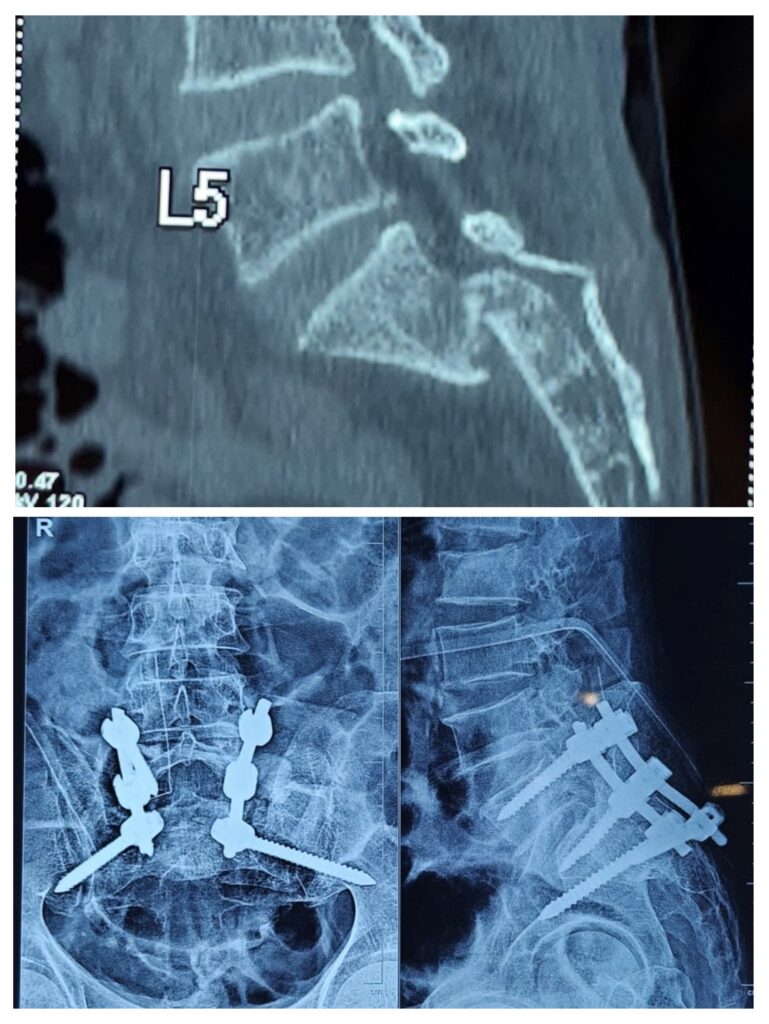
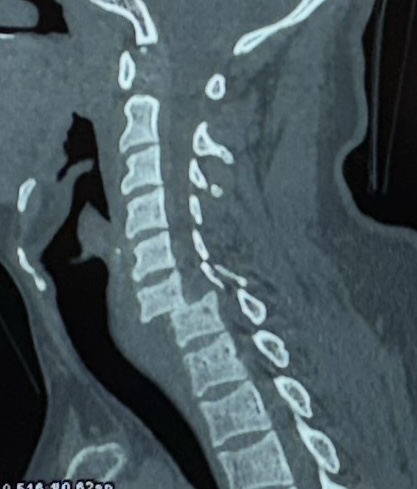
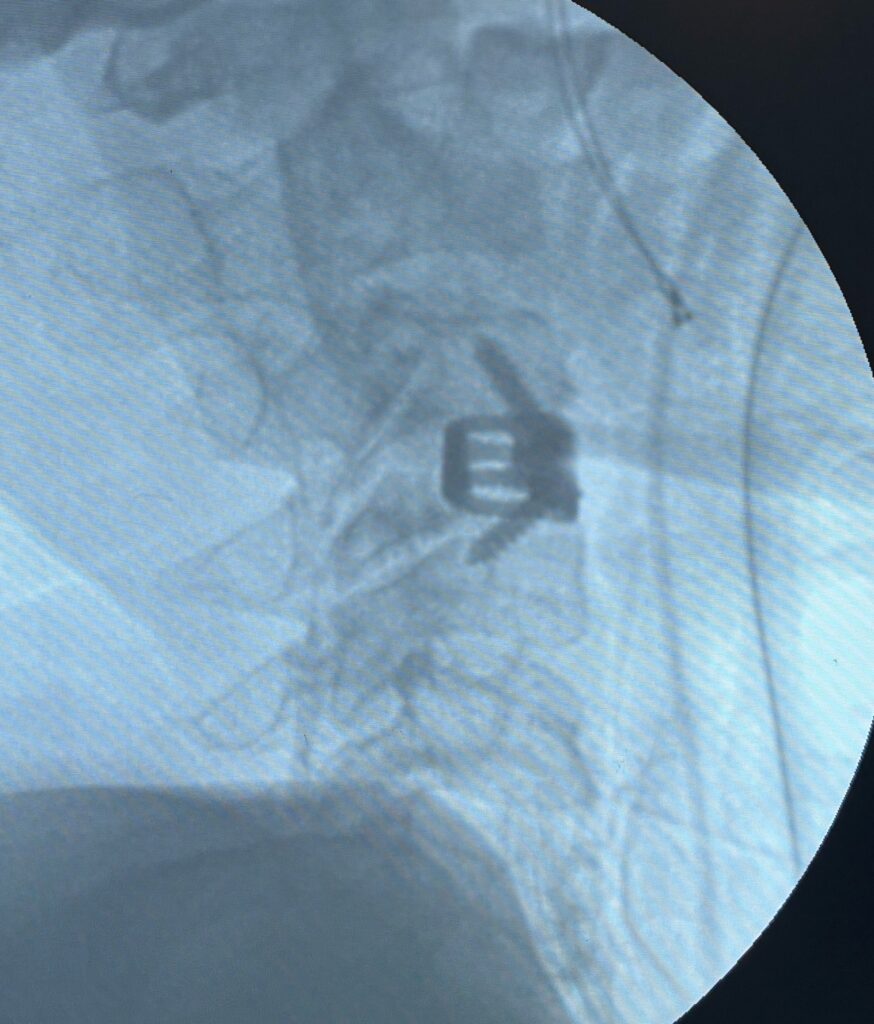
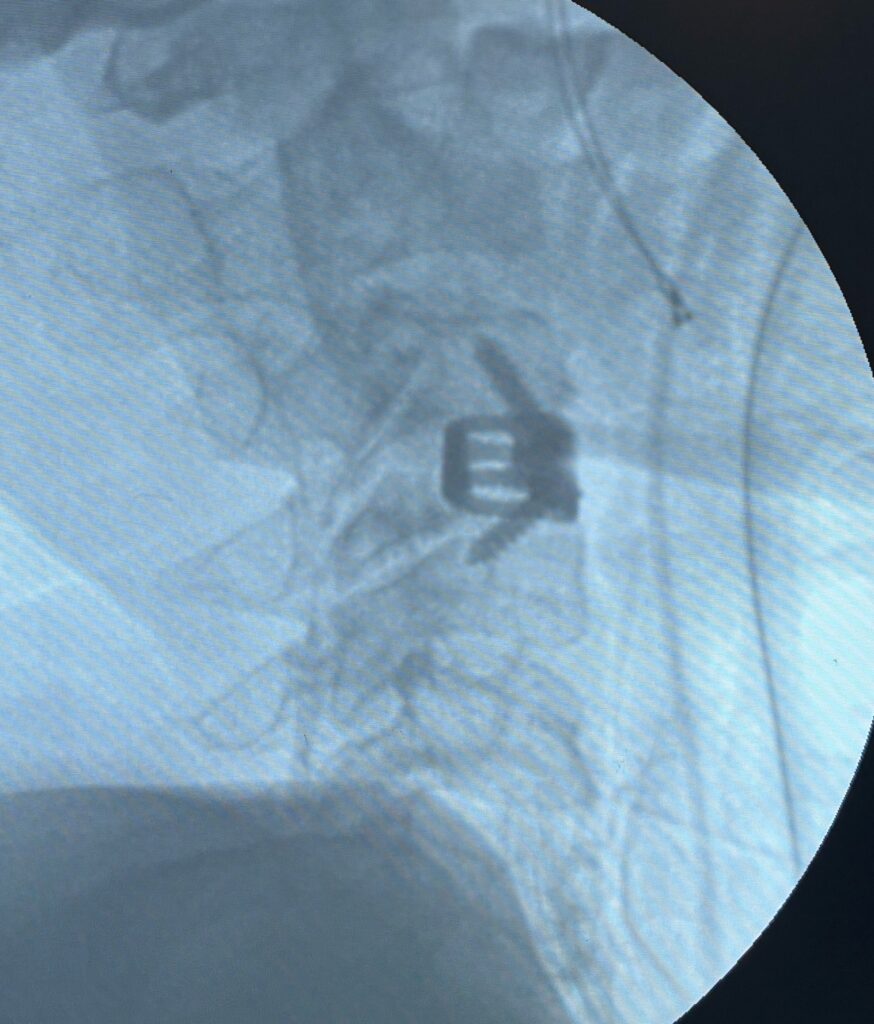
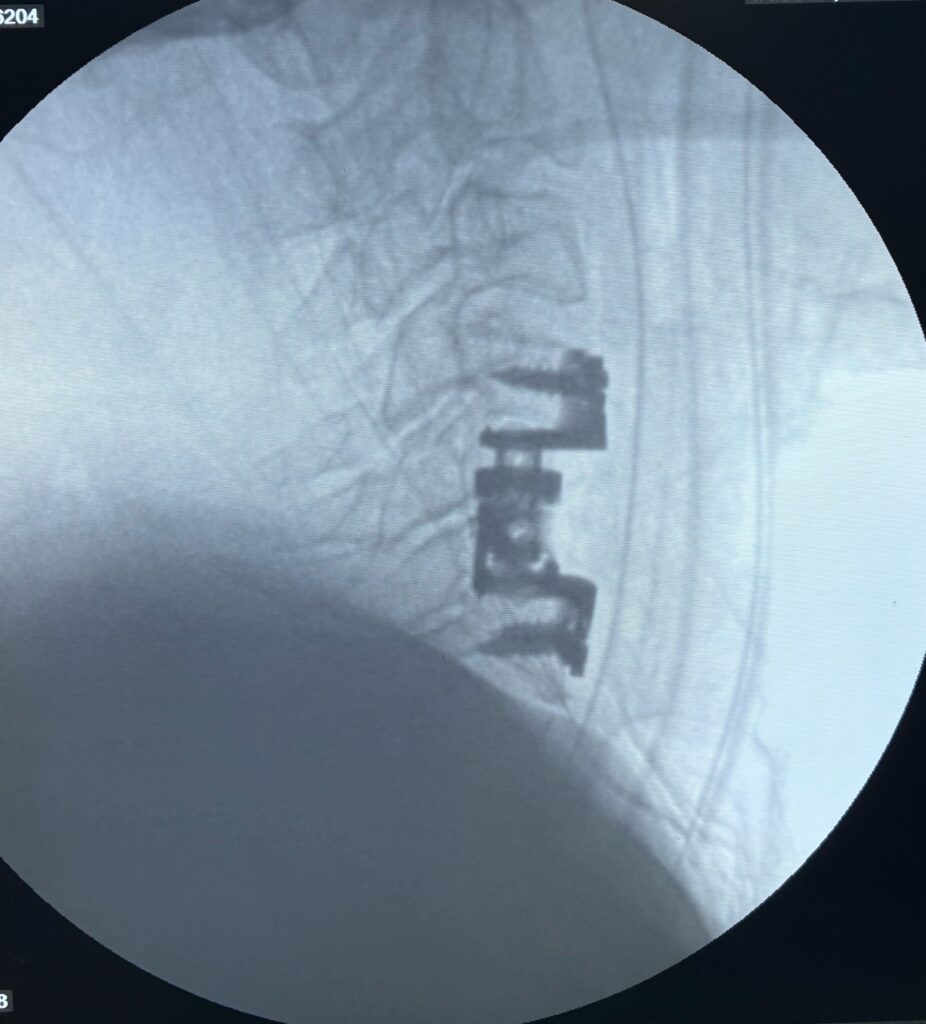
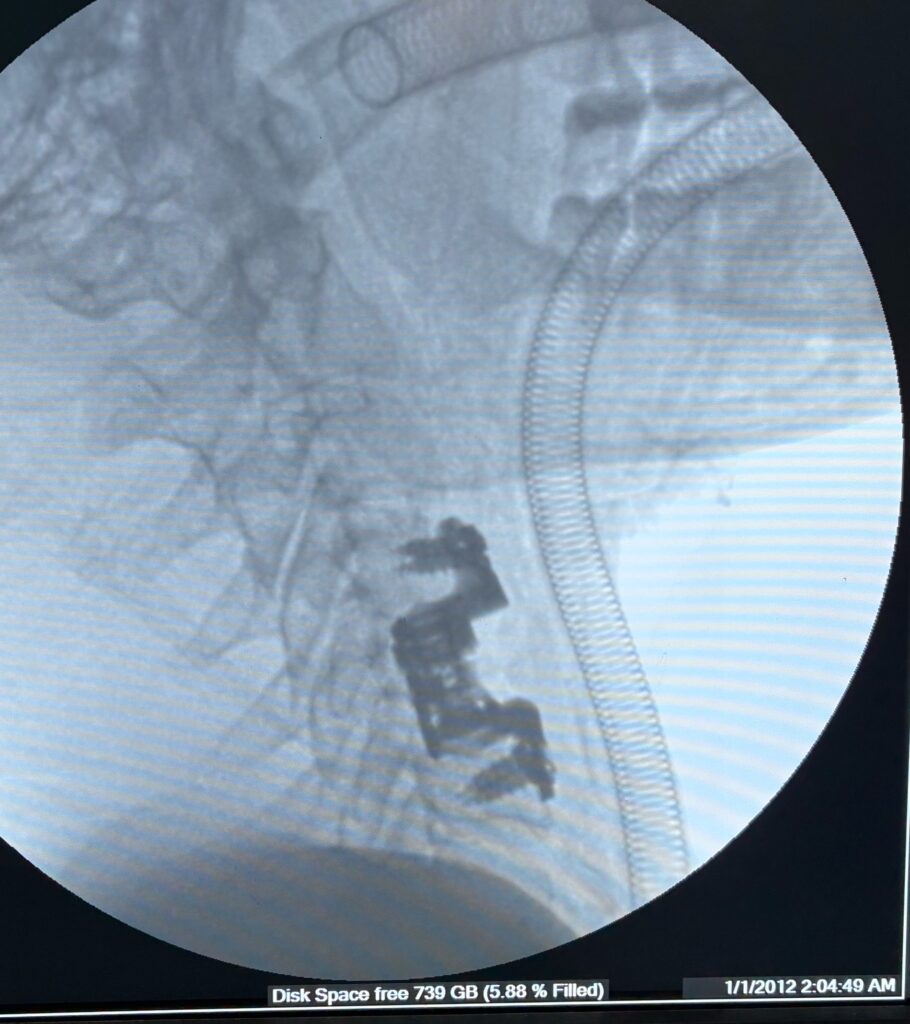
Cases treated by Spine Specialist Dr. Gaurav Sandeep Gupta
Conclusion & Call to Action
A spine injury is a serious condition that should never be ignored. Early diagnosis and proper spine treatment can help relieve pain, protect nerve function, and restore mobility. With modern medical care and rehabilitation, many patients can return to their daily activities safely.
If you or a loved one has suffered a spine injury or is experiencing persistent back or neck pain, do not delay treatment. Consult a spine specialist today for a thorough evaluation and personalized care plan. Prompt medical attention can make a significant difference in recovery.
 Book an appointment now and take the first step toward a safer, healthier spine.