
Spinal Cord Tumor Treatment
A spinal cord tumor is an abnormal growth of cells within or around the spinal cord. These tumors can affect nerve function and cause pain, weakness, or difficulty in movement. Although spinal cord tumors are not very common, they require timely diagnosis and proper treatment to prevent permanent nerve damage.
What is a Spinal Cord Tumor?
A spinal cord tumor is a mass of abnormal cells that develops in or near the spinal cord. The spinal cord is an important structure that carries signals between the brain and the rest of the body. When a tumor presses on the spinal cord or nearby nerves, it can disturb these signals and cause various symptoms.
Spinal cord tumors can be classified as:
- Benign (non-cancerous): Slow-growing and usually treatable
- Malignant (cancerous): More aggressive and may spread
- Primary tumors: Start in the spine or spinal cord
- Secondary tumors: Spread from other parts of the body
Early detection plays a key role in successful treatment.
Causes of Spine Cord Tumors:
The exact cause of spinal cord tumors is not always known. However, certain factors may increase the risk:
- Genetic conditions: Some inherited disorders can increase tumor risk
- Spread from other cancers: Tumors from lungs, breast, or prostate may reach the spine
- Radiation exposure: Previous radiation therapy in childhood
- Weak immune system: May increase susceptibility
- Unknown cell changes: Abnormal growth of spinal cells over time
In many cases, spinal cord tumors develop without any clear reason.
Symptoms of Spine Cord Tumors
Symptoms depend on the size and location of the tumor. They may develop slowly or appear suddenly. Common symptoms include:
- Persistent back or neck pain
- Pain that worsens at night or while lying down
- Numbness or tingling in arms or legs
- Muscle weakness
- Difficulty walking or maintaining balance
- Loss of sensation
- Problems with bladder or bowel control
- Unexplained weight loss or fatigue (in some cases)
Any long-lasting or worsening symptoms should be evaluated by a doctor.
Diagnosis
Proper diagnosis is essential to plan the best treatment. Doctors use a combination of clinical examination and imaging tests, such as:
- Physical and neurological examination: To assess muscle strength and reflexes
- MRI scan: The most important test to detect spinal cord tumors clearly
- CT scan: Helps view bone involvement
- Biopsy (if required): A small tissue sample may be taken to identify tumor type
- Blood tests: To check overall health
These tests help determine the tumor’s size, type, and exact location.
Treatment Options
Treatment depends on the type of tumor, its location, and the patient’s overall health. The main goals are to remove or control the tumor, relieve pressure on the spinal cord, and improve quality of life.
1. Non-Surgical Treatment
Some tumors can be managed without immediate surgery:
- Medications: To reduce pain and swelling
- Steroids: To decrease inflammation around the spinal cord
- Physiotherapy: Helps improve strength and mobility
- Regular monitoring: Small, slow-growing tumors may only need observation
2. Radiation Therapy
Radiation therapy is used to:
- Shrink tumors
- Control tumor growth
- Reduce symptoms
It is often recommended for malignant tumors or tumors that cannot be completely removed by surgery.
3. Chemotherapy (When Required)
Chemotherapy may be advised for certain cancerous spinal tumors or when tumors spread from other organs. It helps slow tumor growth and improve survival.
4. Surgical Treatment
Surgery is one of the most common treatments for spinal cord tumors, especially when the tumor is pressing on nerves or causing weakness.
Surgical goals include:
- Removing the tumor safely
- Relieving pressure on the spinal cord
- Preserving nerve function
Modern spine surgery uses advanced techniques and microscopes, which allow precise tumor removal with less damage to surrounding tissues.
When to See a Spine Specialist
You should consult a spine specialist or neurosurgeon if you experience:
- Persistent back or neck pain without clear reason
- Weakness or numbness in arms or legs
- Difficulty walking or frequent falls
- Loss of bladder or bowel control
- Pain that does not improve with medication
Early medical attention improves treatment success and reduces complications.
Prevention Tips
While spinal cord tumors cannot always be prevented, certain habits may support overall spine health:
- Maintain a healthy lifestyle with balanced nutrition
- Avoid tobacco use
- Seek early treatment for chronic back pain
- Attend regular health check-ups
- Follow safety measures to prevent spinal injuries
- Report unusual or long-lasting symptoms to a doctor
Early detection remains the best way to manage spinal cord tumors effectively.
Frequently Asked Questions (FAQs)
Are spinal cord tumors always cancerous?
No. Many spinal cord tumors are benign and can be treated successfully.
Can a spinal cord tumor be cured?
Some tumors can be completely removed with surgery, while others can be controlled with treatment.
Is surgery risky for spinal cord tumors?
Modern advanced surgical techniques make spine surgery safer, but risks depend on tumor size and location
How long does recovery take after surgery?
Recovery varies from patient to patient and may take weeks to months with rehabilitation.
Can spinal cord tumors return after treatment?
Some tumors may recur, which is why regular follow-up is important.
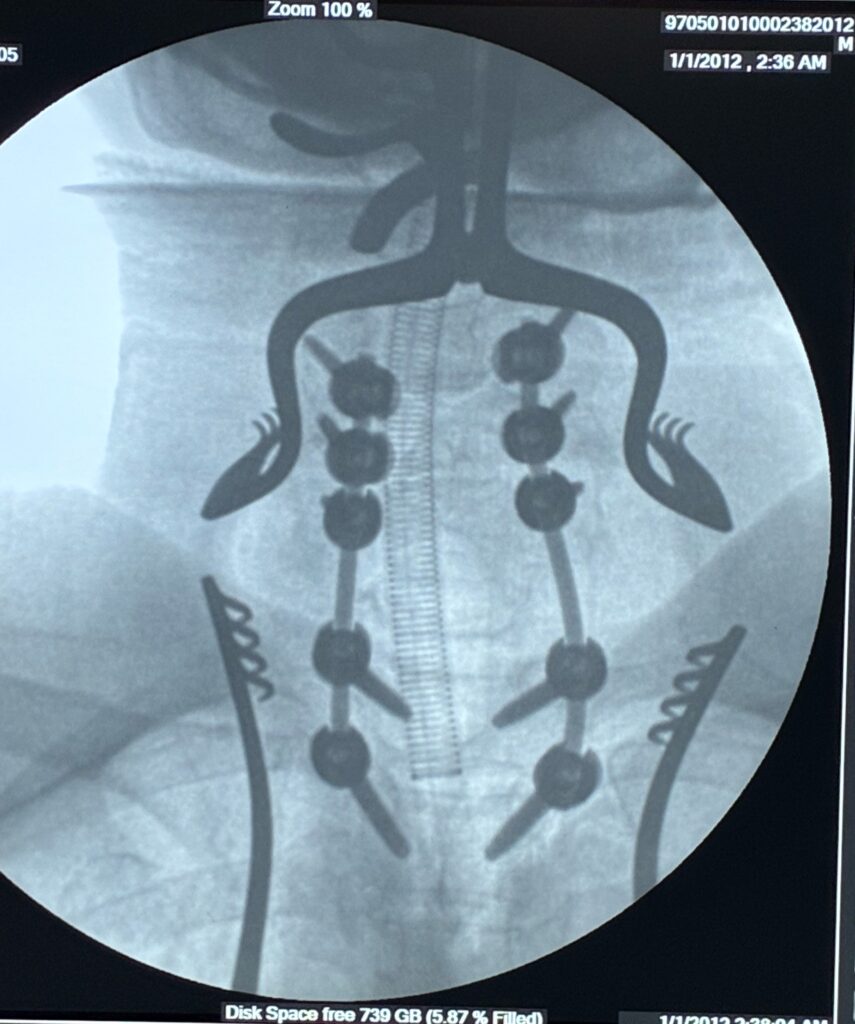
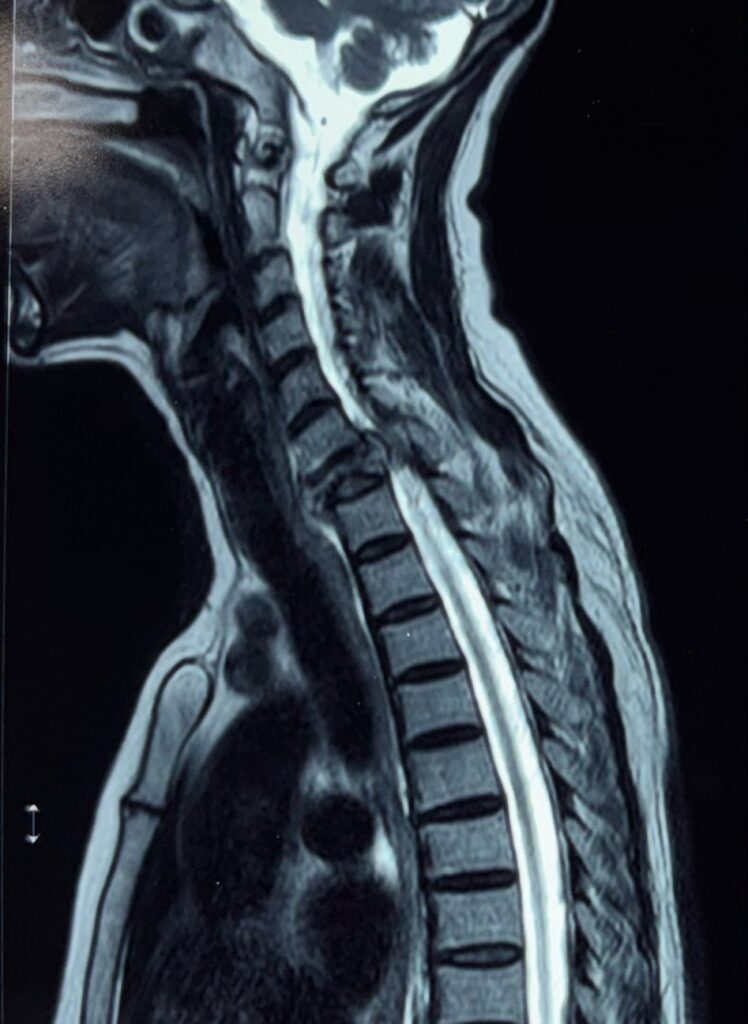
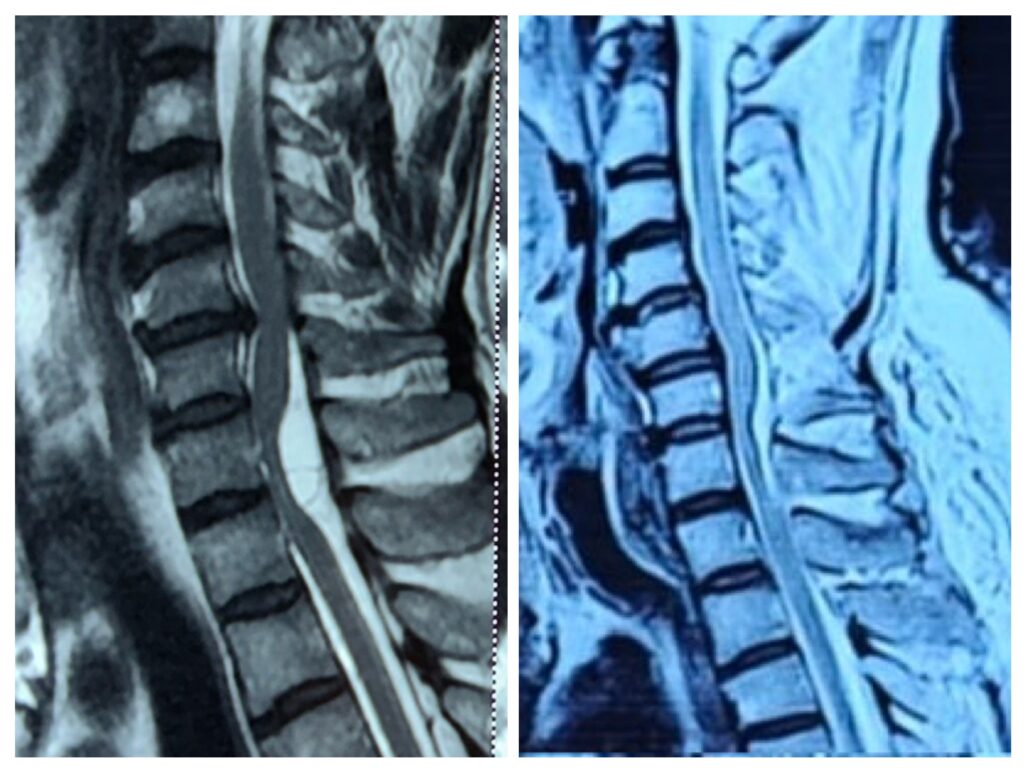
Cases treated by Spine Specialist Dr. Gaurav Sandeep Gupta
Conclusion & Call to Action
A spinal cord tumor is a serious condition that requires expert medical care. With early diagnosis and the right treatment plan, many patients experience symptom relief and improved quality of life. Advances in imaging, surgery, and cancer therapy have made spinal cord tumor treatment safer and more effective than ever before.
If you or a loved one is experiencing unexplained back pain, weakness, or nerve-related symptoms, do not delay seeking help. Consult a best doctor for spine cord tumors Dr. Gaurav Sandeep Gupta today.
 Book an appointment now and take the first step toward expert spinal cord tumor care and recovery.