
Spine Infection Treatment
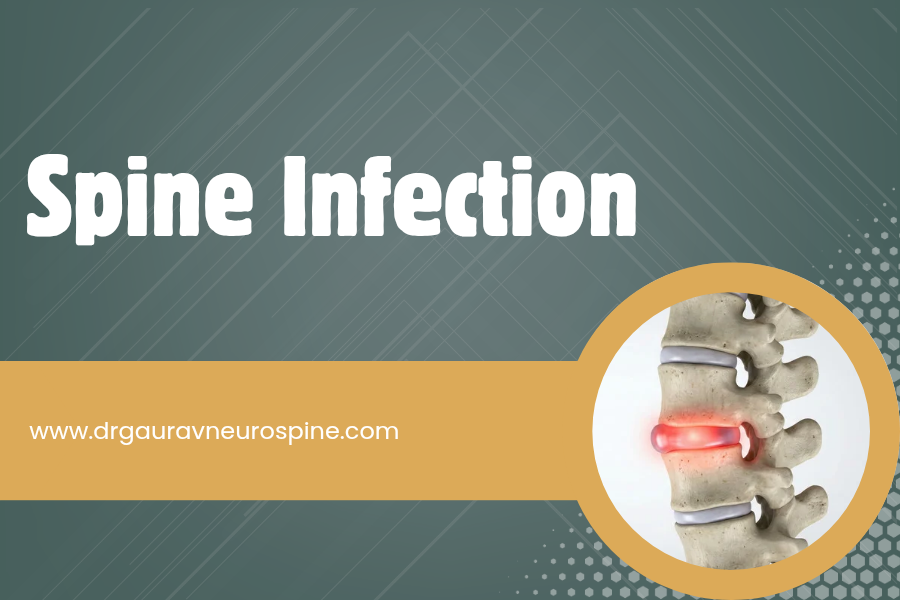
A spine infection is a serious medical condition that occurs when bacteria, fungi, or other germs infect the bones, discs, or tissues of the spine. If not treated on time, a spine infection can damage the spinal cord and nerves, leading to pain, weakness, and long-term complications. Early diagnosis and proper treatment are essential for a safe and full recovery.
What is a Spine Infection?
A spine infection happens when harmful microorganisms enter the spine and cause inflammation. The infection may affect different parts of the spine, such as:
- Vertebrae (spinal bones) – called osteomyelitis
- Intervertebral discs – called discitis
- Spinal cord coverings – called epidural abscess
Spine infections can develop slowly or suddenly and may affect any part of the spine, including the neck, upper back, or lower back. Prompt medical care is very important to prevent nerve damage and spread of infection.
Causes of Spine Infection:
Spine infections occur when germs enter the bloodstream and reach the spine or spread from nearby infected areas. Common causes include:
- Bacterial infections: Such as tuberculosis or other bacterial infections
- Fungal infections: Rare but possible in people with weak immunity
- Spread from other body infections: Urinary tract, lungs, or skin infections
- Weak immune system: Diabetes, cancer, or long-term steroid use
- Recent surgery or injections: Risk of infection after spine procedures
- Poor nutrition: Reduces the body’s ability to fight infection
- Injury or trauma: Opens a path for germs to enter
- Poor hygiene or untreated wounds
Understanding the cause helps doctors choose the most effective treatment.
Symptoms of Spine Infection:
Symptoms of spine infection may develop gradually and worsen over time. Common signs include:
- Persistent back or neck pain
- Fever and chills
- Fatigue or weakness
- Swelling or tenderness over the spine
- Difficulty moving or walking
- Numbness or tingling in arms or legs
- Muscle weakness
- Weight loss or loss of appetite
- In severe cases, bladder or bowel control problems
Pain from a spine infection usually does not improve with rest and may increase at night.
Diagnosis
Early and accurate diagnosis is important to prevent complications. Doctors may perform:
- Medical history and physical examination: To assess pain, fever, and nerve function
- Blood tests: To check for signs of infection and inflammation
- X-ray: To look for bone damage (usually in later stages)
- MRI scan: The most important test to detect spine infection and nerve involvement
- CT scan: For detailed bone structure analysis
- Biopsy or sample test: To identify the exact organism causing infection
These tests help confirm the diagnosis and guide the correct treatment plan.
Treatment Options
Treatment depends on the type of infection, severity, and overall health of the patient. The main goals are to remove infection, relieve pain, and protect the spinal cord.
1. Non-Surgical Treatment
Most spine infections can be treated without surgery if diagnosed early:
- Antibiotics or antifungal medicines: Given for several weeks to kill infection
- Pain relief medications: To reduce discomfort
- Bed rest or limited movement: To allow healing
- Spine brace: To support and stabilize the spine
- Physiotherapy (after recovery begins): To regain strength and movement
- Nutritional support: To improve immunity and healing
Regular follow-up is important to ensure the infection is fully treated.
2. Minimally Invasive Procedures
In some cases, doctors may recommend:
- Drainage of abscess: Using image-guided techniques
- Needle biopsy: To identify the exact bacteria or fungus
These procedures help control infection without major surgery.
3. Surgical Treatment (When Needed)
Surgery is required when:
- There is pressure on the spinal cord or nerves
- Infection does not improve with medicines
- There is spinal instability
- There is severe pain or deformity
- Abscess formation is present
Surgical procedures may include:
- Removal of infected tissue
- Decompression surgery: To relieve nerve pressure
- Spinal stabilization or fusion: To support damaged bones
Modern surgical techniques allow safer and faster recovery.
When to See a Spine Specialist
You should seek medical attention immediately if you experience:
- Persistent back or neck pain with fever
- Increasing weakness or numbness
- Difficulty walking
- Swelling or redness over the spine
- Sudden loss of bladder or bowel control (medical emergency)
- Pain that does not improve with medication
Early diagnosis can prevent serious complications and permanent nerve damage.
Prevention Tips
Although not all spine infections can be prevented, these steps can reduce risk:
- Treat infections in the body early
- Maintain good personal hygiene
- Manage diabetes and chronic illnesses properly
- Eat a balanced diet to boost immunity
- Avoid smoking and alcohol
- Follow doctor’s instructions after surgery or injections
- Get regular medical check-ups if you have weak immunity
- Avoid self-medication
Healthy habits play an important role in protecting spinal health.
Frequently Asked Questions (FAQs)
Is a spine infection dangerous?
Yes, if not treated early, it can damage nerves and cause serious complications.
Can spine infection be cured?
Most spine infections can be cured with proper medication and medical care.
Is surgery always required for spine infection?
No. Many cases are treated successfully with medicines alone. Surgery is needed only in severe cases.
How long does treatment take?
Treatment may take several weeks to months depending on the type and severity of infection.
Can spine infection return after treatment?
Yes, it can recur if treatment is incomplete or immunity is weak. Regular follow-up is important.
Conclusion & Call to Action
Spine infection is a serious condition that requires prompt and expert medical care. With early diagnosis and the right treatment plan, most patients can recover fully and return to their normal lives. Modern medical advances have made spine infection treatment safer and more effective than ever before.
If you or a loved one is experiencing ongoing back pain with fever, weakness, or nerve-related symptoms, do not ignore the signs. Consult spine specialist in Udaipur Dr. Gaurav Sandeep Gupta today for proper evaluation and personalized treatment. Early care can prevent complications and protect spinal health.
 Book an appointment now and take the first step toward recovery and a healthier spine.