
Degenerative Spine Disease
Degenerative spine disease is a common condition that occurs due to natural wear and tear of the spine over time. As we age, the spinal discs and joints slowly lose their flexibility and strength, which can lead to pain, stiffness, and nerve problems. With proper diagnosis and timely spine treatment, most patients can manage symptoms effectively and maintain a good quality of life.
What is Degenerative Spine Disease?
Degenerative spine disease refers to age-related changes in the spine that affect the discs, joints, and bones. The spinal discs act as cushions between the bones (vertebrae). Over time, these discs may dry out, shrink, or become damaged. This can cause:
- Disc degeneration
- Bone spurs
- Narrowing of the spinal canal (spinal stenosis)
- Pressure on spinal nerves
Although it is called a “disease,” degenerative spine disease is a natural process of aging. However, in some people, it can cause significant pain and limit daily activities.
Causes of degenerative spine disease:
Degenerative spine disease develops due to a combination of factors, including:
- Aging: Natural wear and tear of spinal discs and joints.
- Poor posture: Long hours of sitting or standing incorrectly.
- Repeated strain: Heavy lifting or repetitive bending and twisting.
- Injury or trauma: Past accidents or falls affecting the spine.
- Obesity: Extra weight increases pressure on the spine.
- Lack of physical activity: Weak muscles provide less support to the spine.
- Smoking: Reduces blood supply to spinal discs and slows healing.
Genetic factors: Some people are more prone to spinal degeneration.
Symptoms of Degenerative spine disease
Symptoms of degenerative spine disease vary depending on the affected area and nerve involvement. Common symptoms include:
- Persistent back or neck pain
- Stiffness, especially in the morning
- Pain that increases with movement or long sitting
- Numbness or tingling in arms or legs
- Muscle weakness
- Difficulty walking or maintaining balance
- Reduced flexibility of the spine
In mild cases, symptoms may be occasional. In advanced stages, pain can become constant and affect daily life.
Diagnosis
Accurate diagnosis is important to create an effective treatment plan. Doctors usually begin with a physical examination and review of medical history. Diagnostic tests may include:
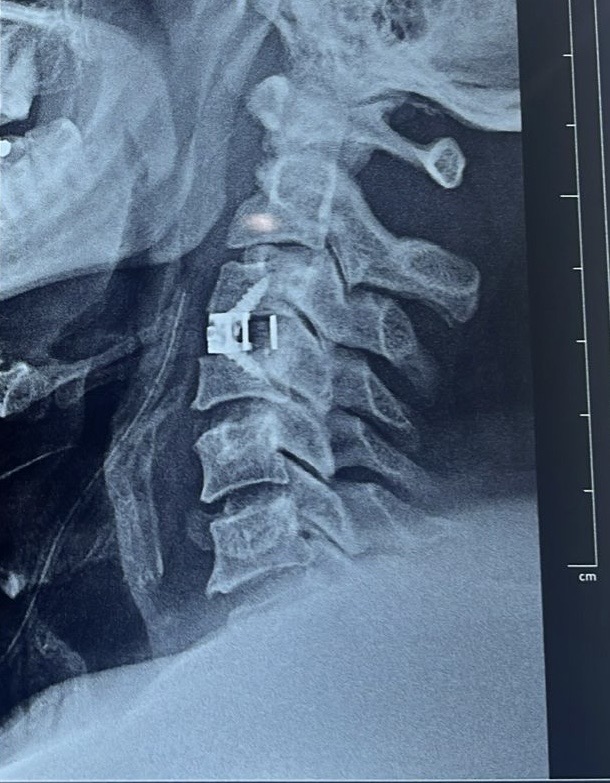
- X-ray: Shows bone changes and disc space narrowing.
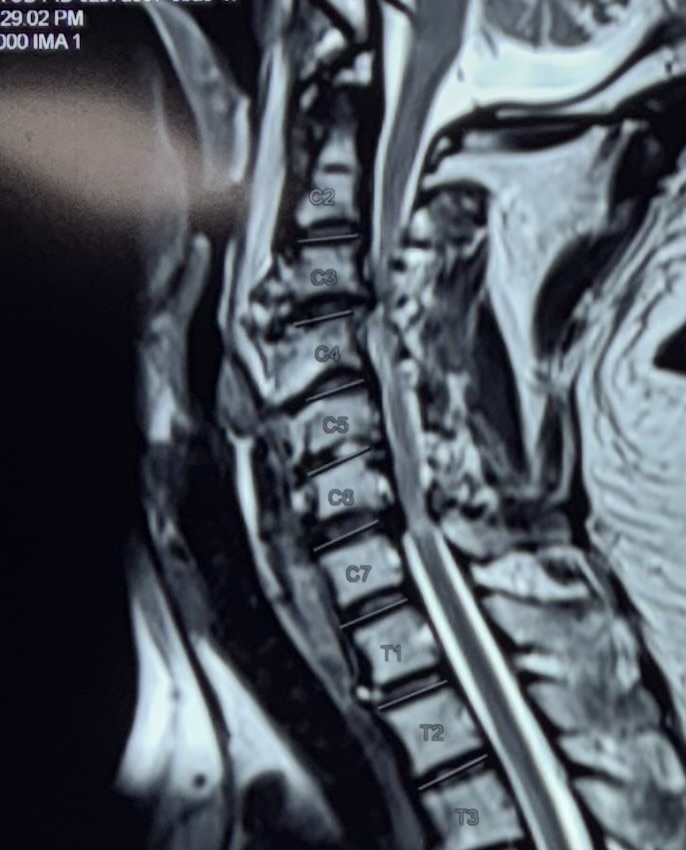
- MRI scan: Detects disc damage, nerve compression, and soft tissue problems.
- CT scan: Provides detailed images of the spine structure.
- Nerve tests (if required): To evaluate nerve function and damage.
These tests help determine the exact cause of pain and the severity of degeneration.
Treatment Options
Treatment depends on the stage of the condition and the patient’s symptoms. Most patients improve with non-surgical care.
1. Non-Surgical Treatment
This is usually the first line of treatment and includes:
- Medications: Pain relievers and anti-inflammatory drugs to reduce pain and swelling.
- Physiotherapy: Exercises to strengthen back and neck muscles and improve flexibility.
- Posture correction: Training for proper sitting, standing, and lifting habits.
- Heat and cold therapy: Helps relax muscles and reduce inflammation.
- Lifestyle changes: Weight management and regular physical activity.
Many patients experience significant improvement with these measures over time.
2. Minimally Invasive Procedures
If pain does not improve with basic treatment, doctors may recommend:
- Steroid injections: To reduce nerve inflammation and pain.
- Nerve block therapy: Provides temporary pain relief and allows healing.
- Radiofrequency therapy (in selected cases): Reduces chronic pain signals.
These procedures are usually safe and allow quick recovery.
3. Surgical Treatment (When Needed)
Surgery is considered only when:
- Pain is severe and long-lasting
- Nerve compression causes weakness or numbness
- Daily activities become difficult
- Non-surgical treatments fail to help
Common surgical procedures include:
- Discectomy: Removal of damaged disc material.
- Laminectomy: Relieves pressure on spinal nerves.
- Spinal fusion: Stabilizes the spine in advanced cases.
Modern spine surgery is often minimally invasive, which reduces recovery time and hospital stay.
When to See Spine Specialist Dr. Gaurav Sandeep Gupta
You should consult a spine specialist if you experience:
- Back or neck pain lasting more than a few weeks
- Increasing numbness or weakness in arms or legs
- Difficulty walking or standing
- Loss of bladder or bowel control (medical emergency)
- Pain that does not improve with rest or medication
Early medical care helps prevent complications and improves treatment success.
Prevention Tips
You can reduce the risk of degenerative spine disease or slow its progression by following these simple tips:
- Maintain good posture while sitting and standing
- Exercise regularly to strengthen core and back muscles
- Avoid lifting heavy objects incorrectly
- Maintain a healthy body weight
- Take breaks during long sitting hours
- Use a supportive mattress and pillow
- Avoid smoking
- Practice stress-relief exercises such as yoga or stretching
Healthy habits play an important role in long-term spine health.
Frequently Asked Questions (FAQs)
Is degenerative spine disease a normal part of aging?
Yes, it is common with aging, but not everyone develops severe symptoms.
Can degenerative spine disease be cured?
It cannot be completely cured, but symptoms can be well managed with proper treatment.
Is surgery always required?
No. Most patients improve with non-surgical treatment such as medication and physiotherapy.
Can exercise make the condition worse?
Gentle and guided exercises usually help strengthen the spine and reduce pain. Always follow medical advice.
How long does recovery take?
Recovery depends on severity and treatment type. Some patients improve in weeks, while others may need long-term care.
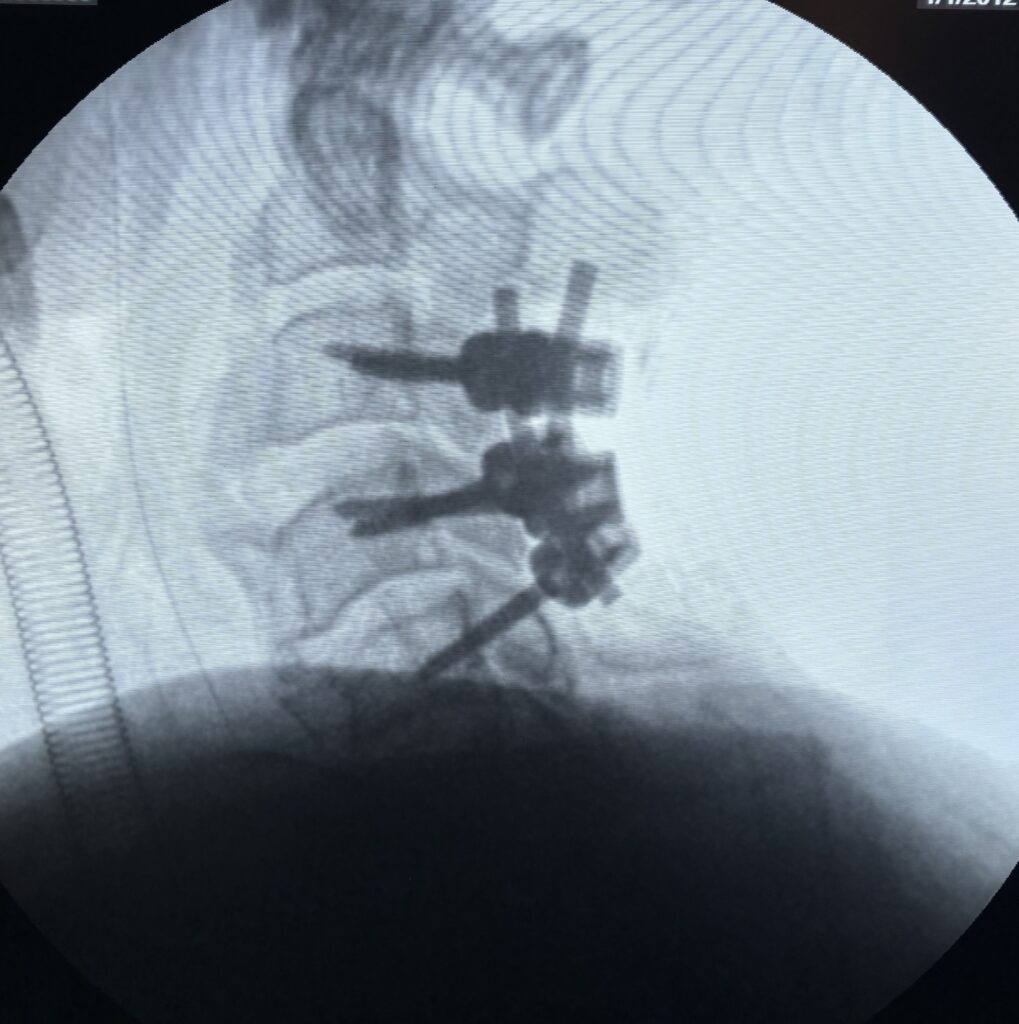
Cases treated by Spine Specialist Dr. Gaurav Sandeep Gupta
Conclusion & Call to Action
If you are experiencing persistent back or neck pain, do not ignore the signs. Consult a spine specialist in Udaipur today for proper evaluation and expert guidance. Timely care can help prevent complications and improve your quality of life.
 Book an appointment now and take the first step toward a healthier, pain-free spine.